
Sonoma County to Monterey County · CA LIC #1060838
Grading
Services
Precision grading for construction, drainage, and site preparation across the California Central Coast — built to spec, on schedule, since 2013.
Start Your Project
Homepage Short Form
DW Excavation provides grading services throughout the California Central Coast — including mass grading, fine grading, slope correction, drainage grading, and site preparation for residential and commercial construction. Licensed in California (CA LIC #1060838) and serving the region since 2013.
Precision Grading Across the California Central Coast
Every successful construction project starts with the ground beneath it. Grading determines how water moves across a site, how stable a foundation will be, and whether the finished surface performs the way it's supposed to over time. Done right, it's invisible — the finished project just works. Done wrong, drainage problems, settlement, and structural issues show up months or years later.
DW Excavation has been grading sites across the California Central Coast since 2013. We work on residential lots, commercial sites, driveways, and agricultural properties — projects where precision matters and the stakes of getting it wrong are real. Our approach is methodical: evaluate the site, understand the drainage requirements, and grade to a plan rather than by feel.
The region's soil conditions, slope variations, and drainage requirements are specific. Clay soils behave differently than sandy coastal soils. Hillside lots require different drainage strategies than valley-floor parcels. We've worked across enough of this terrain to understand those differences and account for them in how we approach each project.
Grading Services We Provide
- Mass Grading — Large-scale earthmoving to establish a site's primary grade for development, building pads, or land shaping
- Fine Grading — Precision surface preparation to meet exact elevation specs for foundations, flatwork, and drainage
- Slope Correction — Regrading sloped areas to improve drainage runoff, reduce erosion risk, and improve usability
- Drainage Grading — Establishing positive drainage away from structures and across the site to designed discharge points
- Site Preparation Grading — Clearing, rough grading, and compaction to prepare land for construction activity
- Driveway & Road Grading — Subgrade preparation and shaping for paved or gravel driveways and access roads
- Pad Grading — Building pad creation for residential foundations, outbuildings, and accessory dwelling units
- Re-Grading & Correction — Assessment and correction of existing grade issues causing drainage or settlement problems
Why Grading Gets Skipped — and What It Costs
Grading is often treated as a formality — something to check off before real construction begins. The consequence is projects where water pools against foundations, driveways that wash out after the first heavy rain, and building pads that settle unevenly because the subgrade wasn't properly established. These aren't minor inconveniences. They're expensive repairs that could have been prevented with proper work upfront.
We take grading seriously because we've seen what happens when it's done poorly. Every site we grade is evaluated for drainage, compaction requirements, and finished elevation before we move a yard of material. That evaluation is what separates grading that performs from grading that looks done until the first rain.
Grading That Understands the Terrain
The California Central Coast presents a wider range of grading conditions than most parts of the state. Clay soils that expand and contract seasonally, coastal sandy soils with low bearing capacity, steep hillside terrain, and flat agricultural bottomlands all require different approaches. A grading contractor who doesn't understand these differences is working from a generic playbook — and generic doesn't perform here.
We've been grading across this stretch of California since 2013. Every project has informed how we read a site: how to account for clay expansion when establishing a building pad, how to route drainage on a coastal hillside, how to prepare subgrade in the Salinas Valley's high water table areas. That regional experience shows up in projects that don't come back as problems.
Northern Region — Sonoma County & Surrounding Areas
Sonoma County's valley floors and hillsides are heavily influenced by expansive clay soils that swell during wet winters and shrink through summer. This seasonal movement affects how grading holds over time and how drainage needs to be planned. Hillside lots around the Sonoma Valley, Alexander Valley, and Dry Creek areas add slope drainage and erosion considerations that flat-site grading doesn't require. We grade with these dynamics in mind from the first pass.
- Expansive clay soils — grade design accounts for seasonal movement
- Hillside lots — slope drainage and erosion control integrated into grading plan
- Wine country agricultural land — vineyard road and pad grading
- Sonoma County permit coordination — grading and stormwater plans
Southern Region — Monterey County & Central Coast
Monterey County covers a wide range of terrain — from flat Salinas Valley agricultural land with high water tables to coastal hillsides with sandy soils and steep slopes. The county's grading permit requirements for cuts and fills over 100 cubic yards add a regulatory dimension that not every contractor navigates smoothly. We work throughout the county including Salinas, Seaside, Carmel Valley, King City, and surrounding communities, and we know what the county expects on a permitted grading project.
- Salinas Valley flats — drainage grading in high water table areas
- Coastal hillsides — slope correction and erosion-resistant grading
- Agricultural property grading — outbuildings, roads, and pad prep
- Monterey County permit coordination — grading ordinance compliance
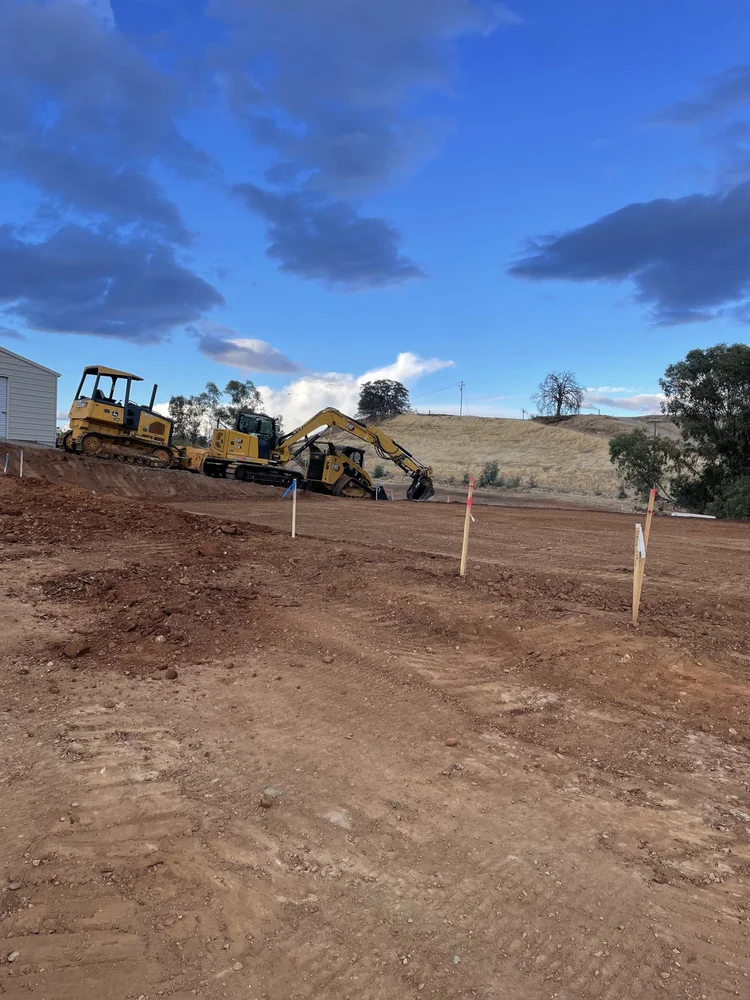
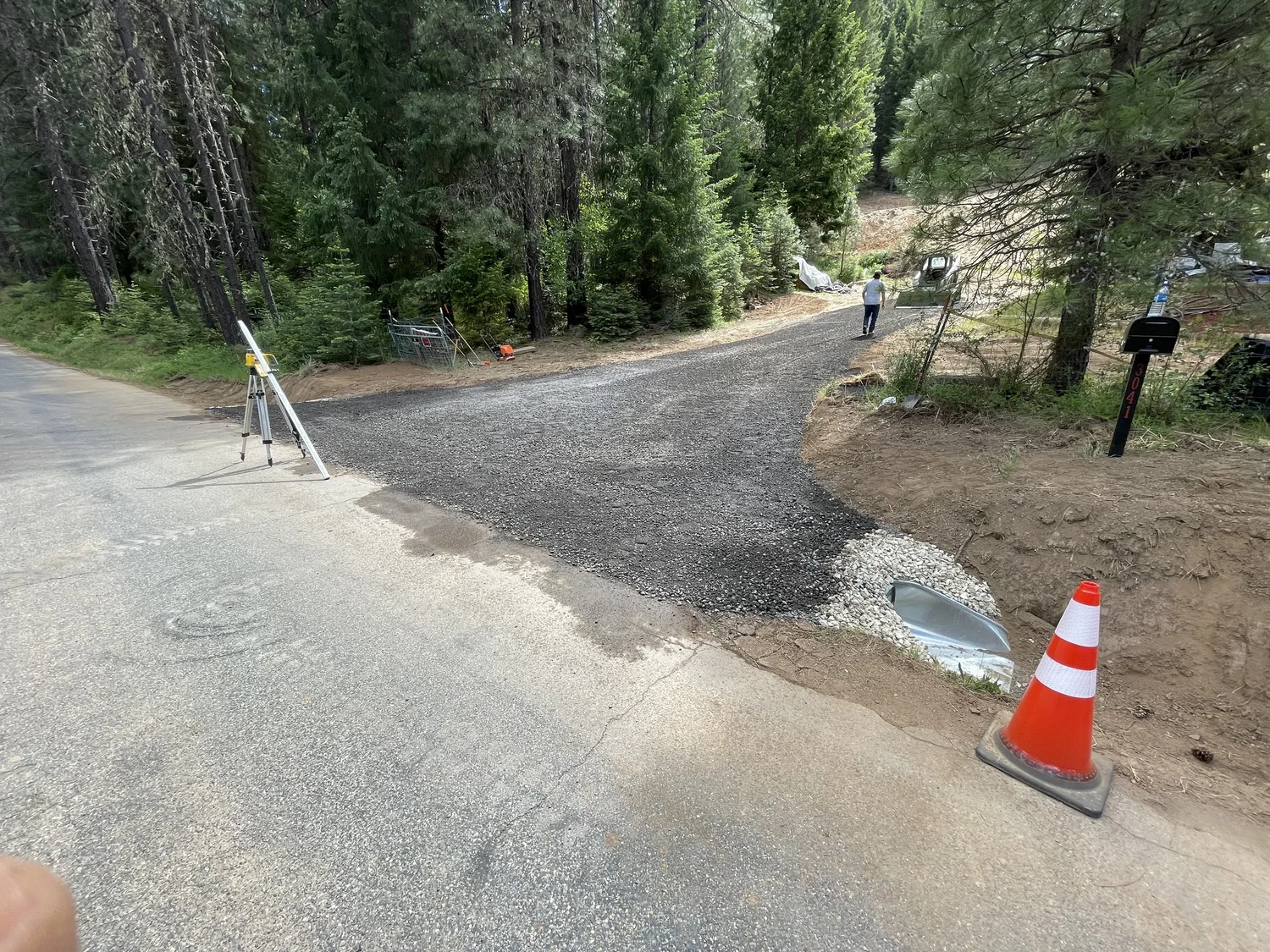
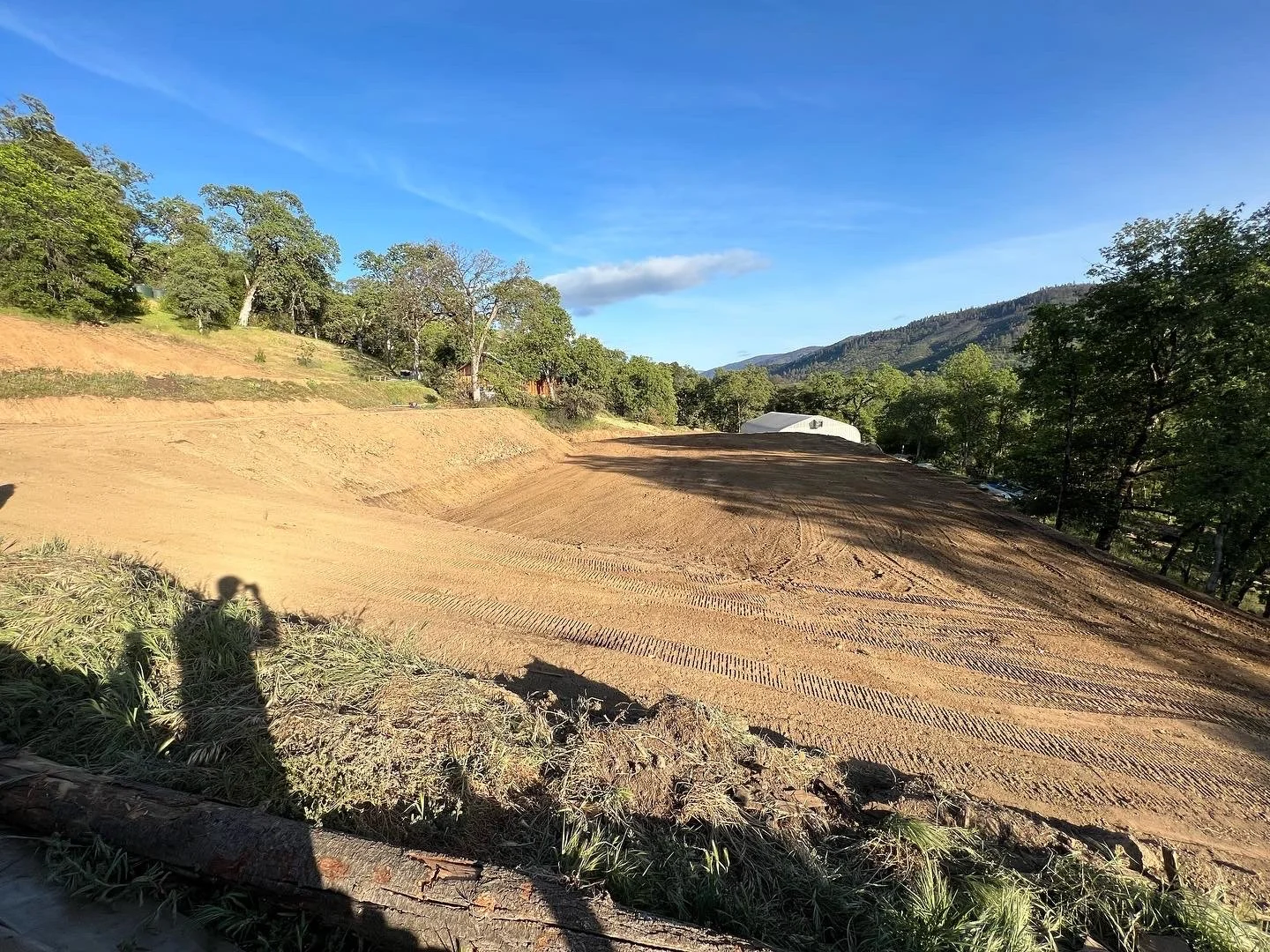
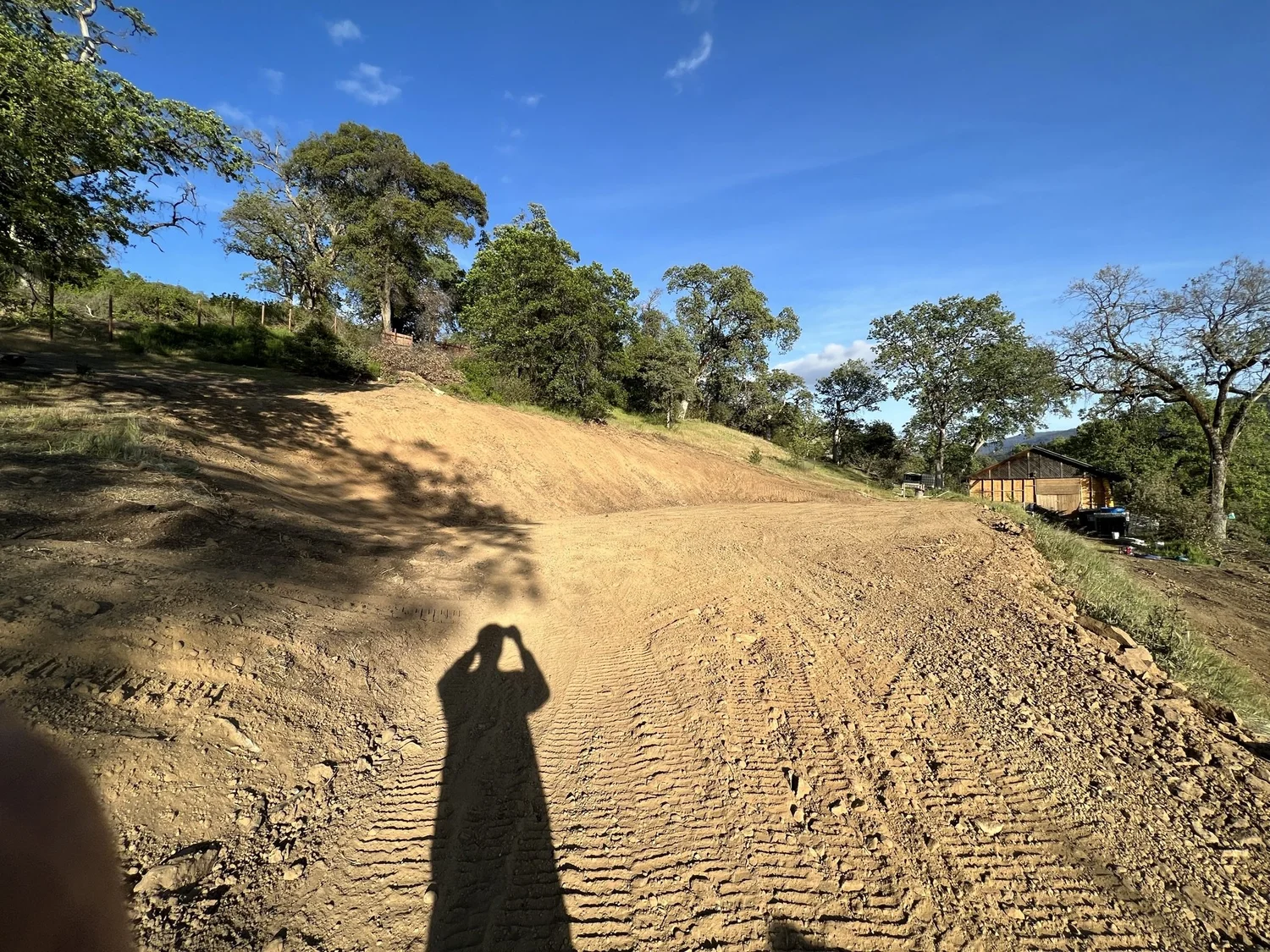
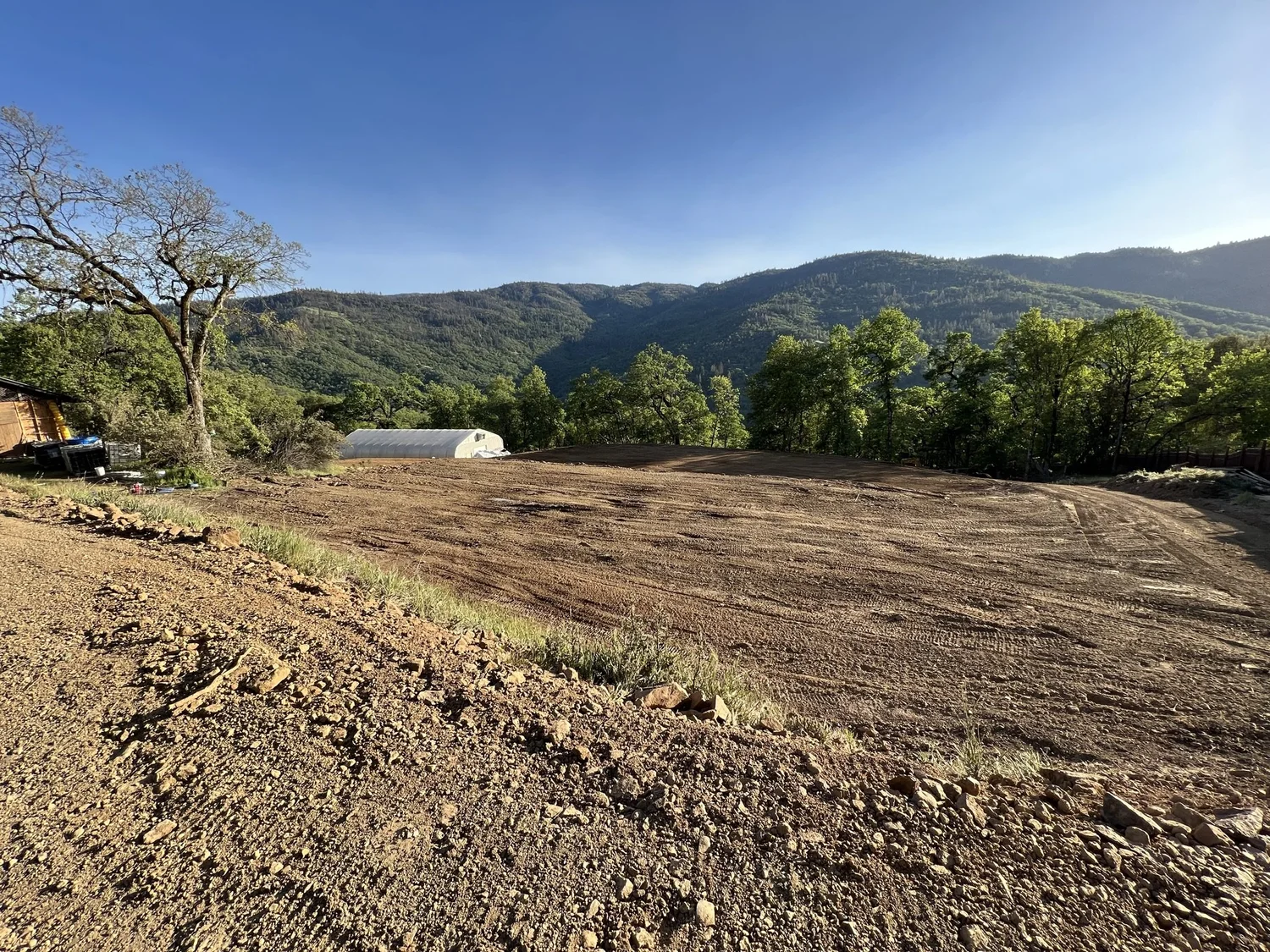
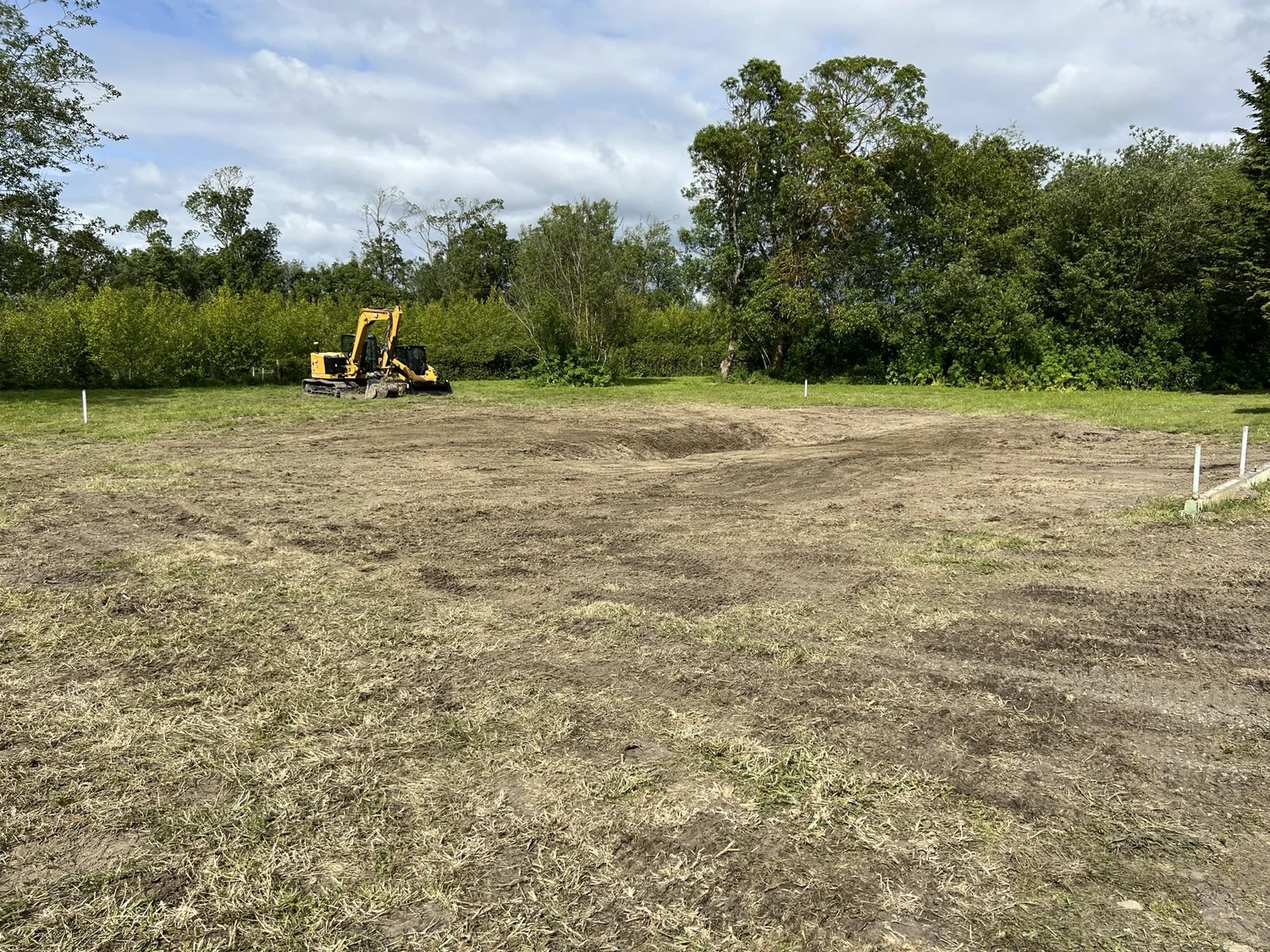
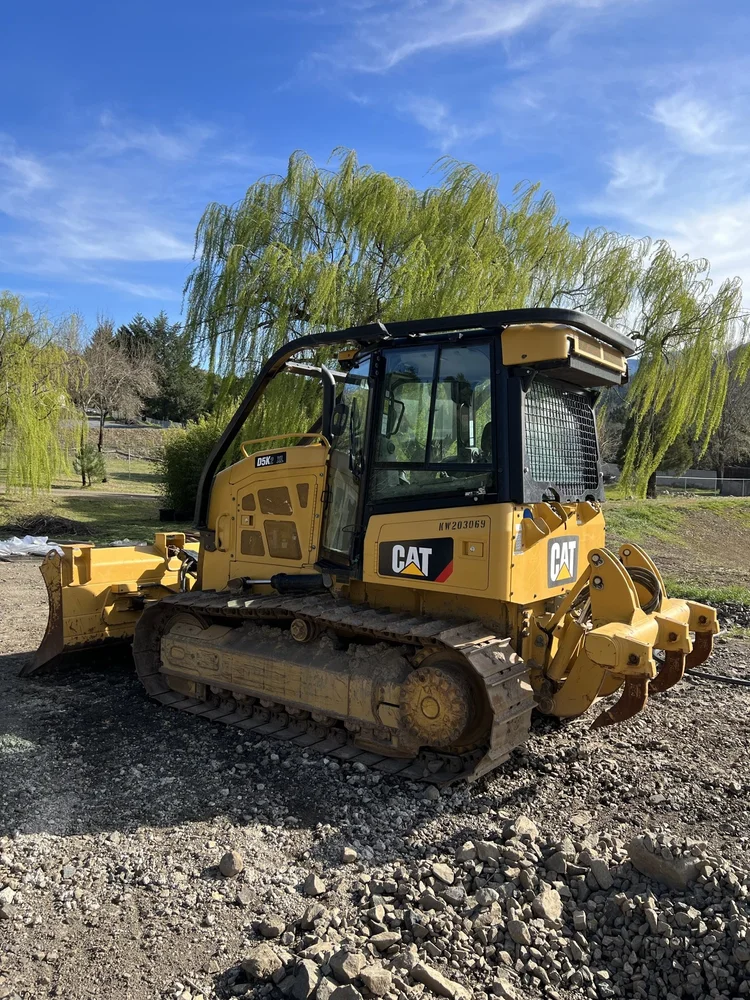
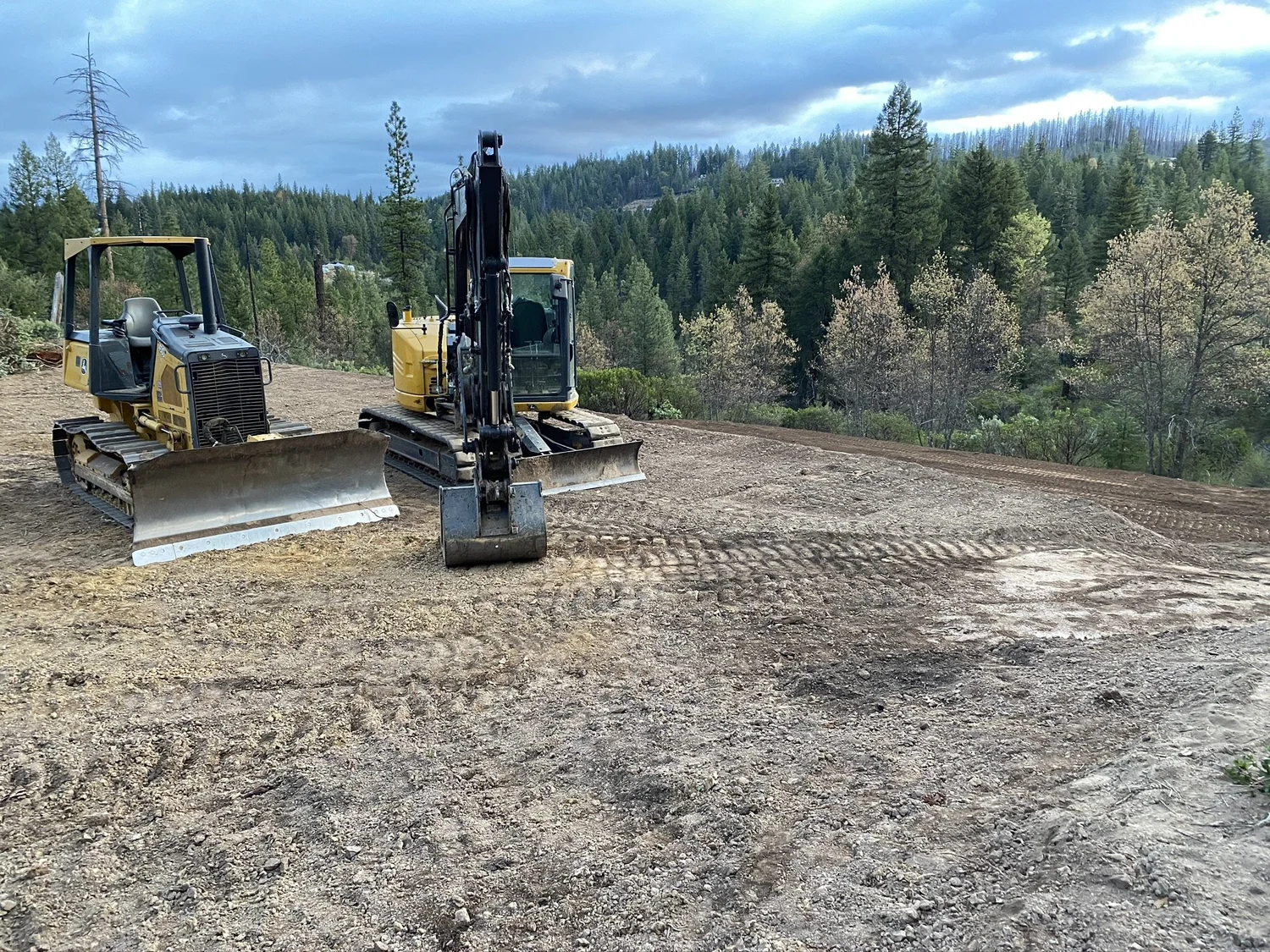
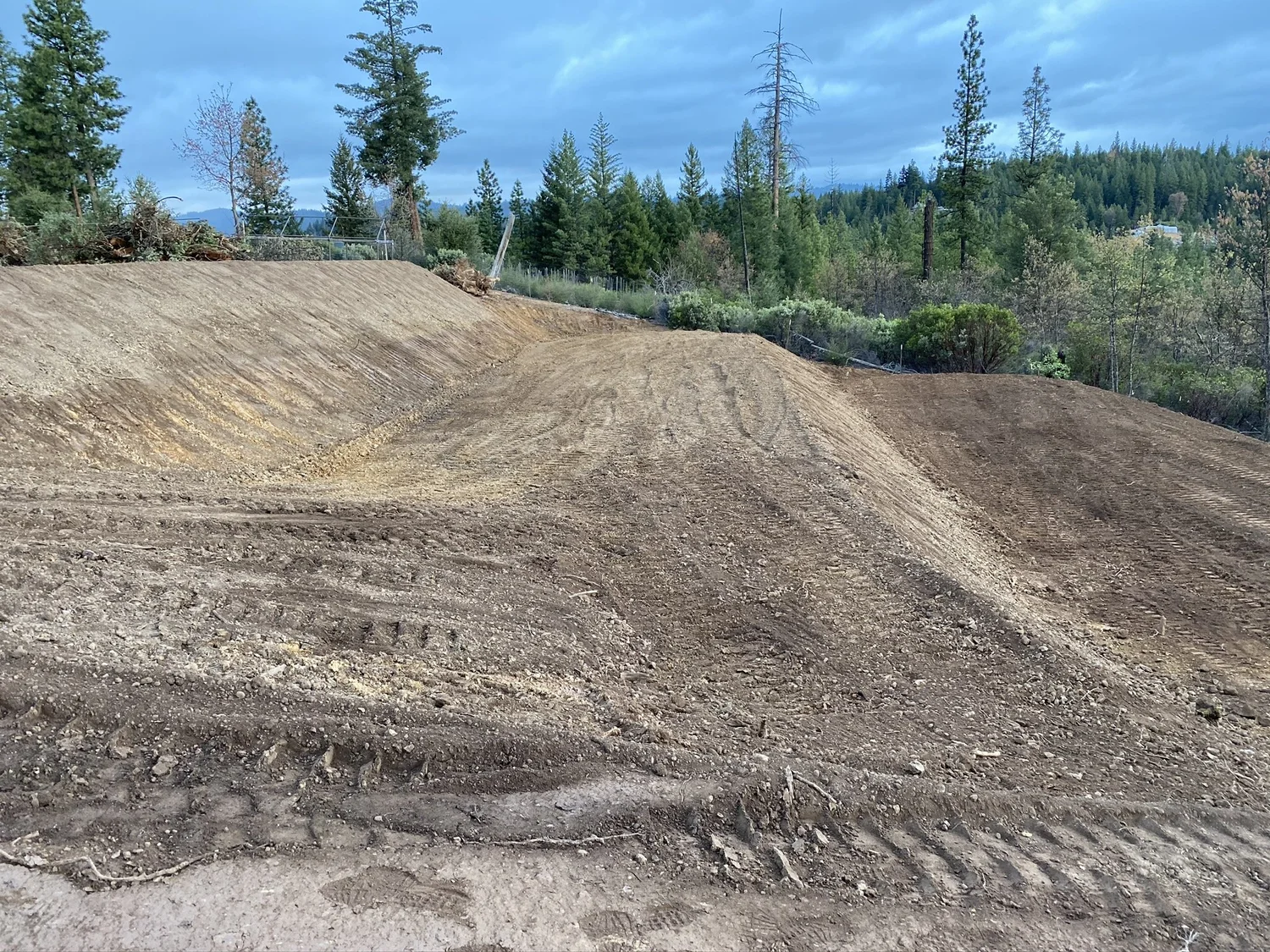
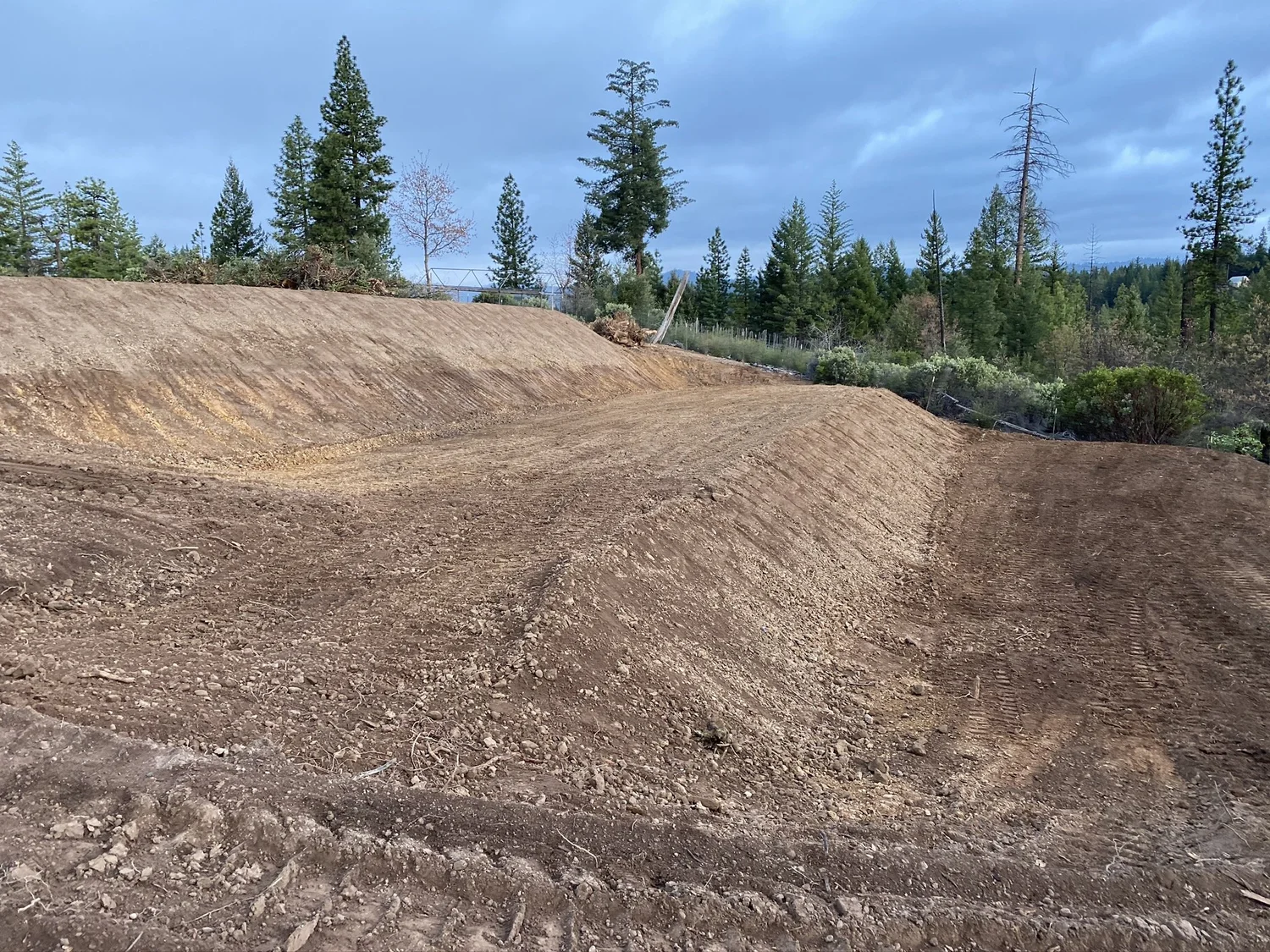
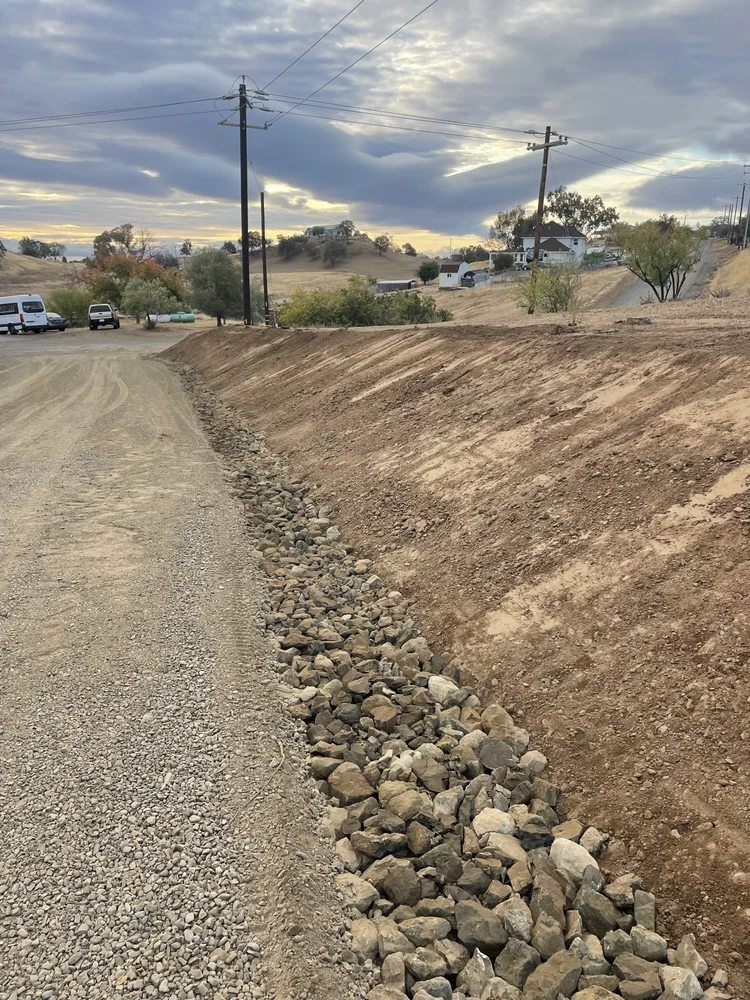
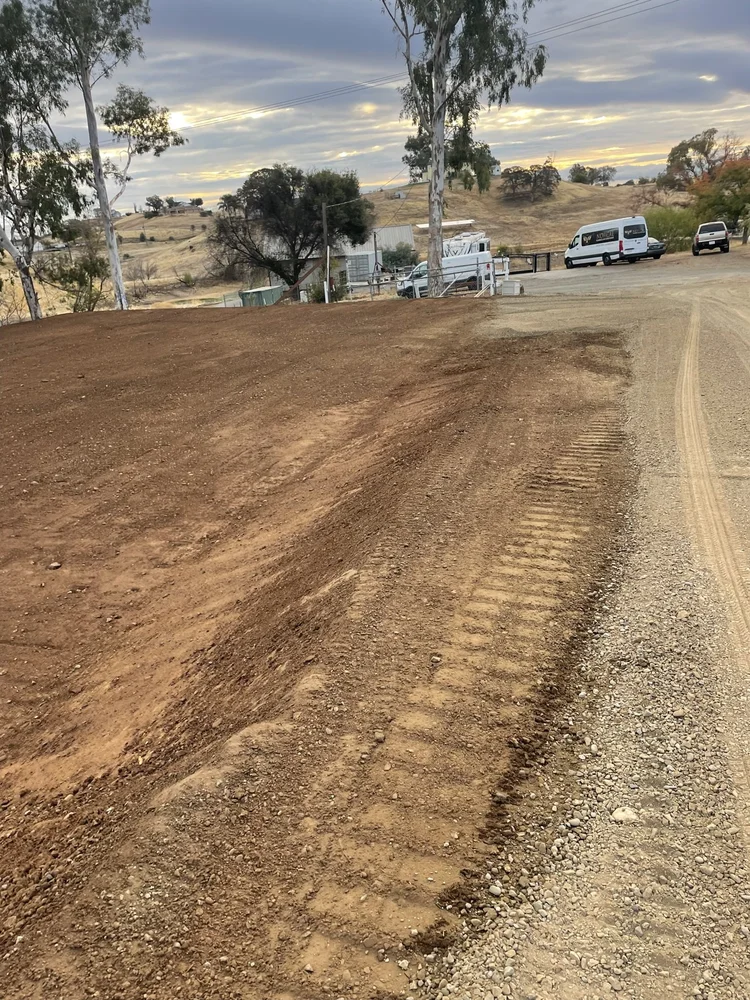
Grading Work Across the Central Coast
Grading FAQ
Answers to the questions we hear most often from property owners and builders planning grading work on the California Central Coast.
📞 Still have questions?Call us directly
What is grading and why does it matter? +
Grading is the process of shaping the land to a planned elevation and slope. It determines how water drains across a site, how stable a foundation will be, and whether finished surfaces like driveways and patios hold up over time. Grading is typically one of the first steps in any construction project, and it sets the conditions for everything that follows.
Poor grading — surfaces without adequate slope, drainage patterns that direct water toward structures, or building pads with inadequate compaction — causes problems that show up long after construction is complete. Water intrusion, foundation settlement, and pavement failure are often traced back to grading that was rushed or done without a plan.
What's the difference between mass grading and fine grading? +
Mass grading involves moving large volumes of material to establish the rough shape of a site — creating the general contours, building pads, and drainage flow. It's typically done early in a project with heavy equipment and tolerates more variation in elevation.
Fine grading is the precision work that follows. It brings the surface to within a tight tolerance of the specified design elevation — typically within a tenth of a foot or better — to prepare for foundations, flatwork, paving, or finish landscaping. Both are important. Mass grading that isn't followed by quality fine grading produces a surface that can't be built on reliably.
Do I need a grading permit on the California Central Coast? +
It depends on the scope and location of the work. In Sonoma County, a grading permit is generally required for cuts or fills greater than 50 cubic yards or more than 3 feet in depth. Monterey County requires permits for grading involving 100 cubic yards or more of cut or fill material.
Both counties also require drainage plans that demonstrate how stormwater will be managed on the graded site. We're familiar with both counties' permitting requirements and can help coordinate the permit process. Attempting significant grading without the required permits can result in stop-work orders and costly remediation.
How do clay soils affect grading on the Central Coast? +
Much of the California Central Coast — particularly in Sonoma County's valley areas — has expansive clay soils that absorb moisture and swell during wet winters, then dry and shrink through summer. This seasonal movement creates soil that shifts vertically, which can undermine foundations, crack flatwork, and cause graded surfaces to heave or settle over time.
Grading in expansive clay requires understanding the soil's behavior and designing accordingly. This can mean deeper excavation to reach more stable subsoil, appropriate compaction methods, drainage design that minimizes moisture variation in the soil, and in some cases, lime treatment or soil amendment before grading is finalized. A soils report from a geotechnical engineer is often required and always worth having before grading begins.
What is the grading process from start to finish? +
A typical grading project starts with site evaluation — reviewing plans, understanding the design intent, and assessing existing conditions. For permitted work, we coordinate with the county to ensure the grading plan is approved before work begins.
On-site, the sequence is usually: clearing and stripping topsoil, rough grading to establish general elevations, subgrade preparation and compaction, and fine grading to meet finished elevation tolerances. Drainage structures are typically installed during or after rough grading. Compaction testing may be required by the county or the project engineer, and we coordinate those inspections as part of the project.
Can grading fix an existing drainage problem on my property? +
Often, yes. Drainage problems — water pooling near a foundation, a yard that floods after rain, or a driveway that washes out — are frequently grading issues. Regrading the affected area to establish positive slope away from structures and toward appropriate drainage points can resolve these problems without more invasive work.
The first step is understanding where the water is coming from and where it needs to go. We evaluate the site, identify the root cause, and determine whether regrading alone will solve it or whether additional drainage structures (swales, catch basins, or piped drainage) are also needed.
How much does grading typically cost? +
Grading cost depends on the volume of material being moved, site accessibility, soil conditions, the precision required, and whether the project includes permitting and compaction testing. A simple fine-grading job on a prepared site costs significantly less than mass grading a raw hillside lot with clay soils and permit requirements.
We don't publish price ranges because they're too variable to be useful — a number pulled out of context is more likely to mislead than to help. The best way to get an accurate estimate is to have us look at the site. Call 707-601-9091 and we'll schedule a visit.
What's the best time of year to do grading work on the Central Coast? +
The dry season — roughly May through October — is generally the best window for grading on the California Central Coast. Dry soil is easier to work with, compacts more consistently, and doesn't create the erosion risk that wet-season grading does. Permitted projects also typically require erosion control measures when grading occurs within a certain window of the rainy season.
That said, grading can be done year-round when conditions allow. Smaller projects, covered areas, and work that includes adequate erosion controls can proceed during the wet season with appropriate planning. We plan around the conditions and keep projects moving where it's practical to do so.
Is grading required before paving a driveway? +
Yes — proper subgrade preparation is essential to pavement longevity. Asphalt and concrete placed over inadequately prepared, poorly compacted, or improperly sloped subgrade will fail prematurely through cracking, heaving, or deterioration at the edges.
Good driveway grading establishes the correct slope for drainage (typically 1–2% away from structures), removes unstable material, brings in appropriate base material, and compacts to the required density. Skipping or shortcutting this step is one of the most common reasons driveways need to be replaced within a few years of installation.
Are you licensed and insured for grading work in California? +
Yes. DW Excavation holds California Contractor License #1060838 and carries the required liability insurance and workers' compensation coverage. We've been operating on the California Central Coast since 2013 and are familiar with the permit requirements, inspection processes, and code standards that apply to grading work in both Sonoma and Monterey Counties.
When you hire a licensed contractor for grading work, you have recourse through the California Contractors State License Board if there's a dispute. Hiring unlicensed grading contractors for permitted work can create significant liability for the property owner, including responsibility for any injuries on site.
Ready to Start Your
Grading Project?
Call us to discuss the site or fill out the form above. We'll schedule a visit, evaluate conditions, and give you a straight answer on what the project requires.
Sources
- Sonoma County Permit Sonoma — Grading Permit Requirements (2024): permitsonoma.org/divisions/engineeringandconstruction/gradingpermits
- County of Monterey Development Services — Grading Permits (2024): countyofmonterey.gov/government/departments-a-h/housing-community-development/development-services
- California Building Standards Commission — 2025 California Building Code (effective January 2026)
- Sonoma Resource Conservation District — Rainwater Harvesting Rebate Program (2025): watrd.io/programs_list/sonoma-county-rainwater-harvesting