Land Development
& Clearing
From overgrown lots to build-ready ground — we handle land clearing, brush removal, grading, and full site preparation across the California Central Coast.
Homepage Short Form
What Land Development & Clearing Actually Involves
A lot of property owners think land clearing is just cutting down trees. It's not. Getting a site truly ready for construction means addressing everything from surface vegetation down to the stability of the soil beneath it. Skip any of those steps and you'll pay for it later — in failed drainage, compaction issues, or a grading permit rejection that stalls your project by weeks.
DW Excavation has been preparing sites across the California Central Coast since 2013. We handle the full scope: initial clearing, stump grinding, grading, and debris removal — coordinated as a single project so nothing falls through the cracks between subcontractors.
What's Included in Our Land Development & Clearing Services
- Land Clearing & Brush Cutting — Removal of trees, shrubs, brush, and ground-level vegetation. We use the right equipment for the terrain, whether that's open farmland or a steep hillside parcel.
- Stump Grinding & Root Removal — Stumps left in the ground cause compaction problems and create voids as they decompose. We grind and remove them before any grading begins.
- Grading & Leveling — Establishing proper elevation, slope, and drainage flow across the cleared site. This is where the real foundation for your project gets built.
- Site Preparation for Construction — Compacting subgrade, setting rough grades, and bringing the site to the specification your contractor or engineer requires before breaking ground.
- Eco-Responsible Clearing — Where site conditions or local regulations call for it, we use methods that minimize erosion, protect adjacent vegetation, and reduce disturbance to topsoil. This matters particularly in Sonoma County's fire-prone areas and Monterey's coastal zones.
- Debris Removal & Recycling — Cleared material is hauled off or chipped and repurposed on-site when appropriate. We handle disposal so you don't have to coordinate a separate haul.
- Permit Coordination Support — Sonoma County requires grading permits for cuts or fills over 50 cubic yards. Monterey's threshold is 100 cubic yards. We know both systems and can help you understand what your project requires before work starts.
The Right Sequence Matters
Land clearing and site prep aren't tasks you can perform in any order. Surface clearing has to happen before you can assess the existing grade. Grading needs to be complete before drainage can be designed. Drainage has to be in place before any paving or foundation work begins. We run these phases in the right sequence, which keeps your project on schedule and avoids expensive rework.
DW Excavation is licensed, insured, and experienced with the specific soil conditions and regulatory requirements across Sonoma and Monterey counties. Whether you're developing a residential lot, preparing agricultural land, or clearing a commercial parcel, we get the ground ready the right way.
Land Clearing That Knows the Territory
Land development conditions vary considerably across the California Central Coast. Soil types affect how clearing equipment performs and what grading approaches hold up over time. Groundwater depth influences how quickly a graded site drains — and how stable it stays after heavy rains. Steep hillside terrain in wine country requires different clearing sequences and erosion controls than a flat agricultural parcel in the Salinas Valley. The regulatory environment also differs between counties — Sonoma and Monterey each have their own permitting thresholds, grading plan requirements, and inspection schedules.
We've been working in this territory since 2013. That means we've cleared steep clay hillsides in Sonoma County's backcountry, navigated Monterey County's grading permit process for residential and agricultural projects, and coordinated land development work from wine country estates to coastal parcels. That ground-level familiarity is what makes the difference between a clearing project that moves smoothly and one that stalls waiting on paperwork or rework.
Northern Region — Sonoma County & Surrounding Areas
Sonoma County's rolling terrain presents varied clearing conditions. Clay soils dominate much of the valley floor and hillside areas — they're dense when dry and unstable when saturated, which affects how and when clearing and grading work can proceed. Defensible space requirements for fire-hazard zones are a real consideration on hillside parcels: California's clearance standards around structures often shape the scope of clearing projects in ways that need to be understood before work starts. We're familiar with Sonoma County's grading permit process and work with both county and city permitting offices throughout the region.
- Clay soils — equipment selection and grading sequencing for long-term stability
- Wildfire defensible space — clearing scoped to CAL FIRE standards where applicable
- Hillside parcels — erosion control and slope stabilization during and after clearing
- Sonoma County permit coordination — grading plan submission and inspection scheduling
Southern Region — Monterey County & Central Coast
Monterey County spans a wide range of conditions — from the flat Salinas Valley floor to the steep terrain of the Carmel Valley and coastal hills. Agricultural parcels frequently have existing irrigation infrastructure that needs to be mapped before clearing starts. Coastal properties deal with sandy, unstable soils that require careful slope management during clearing operations. The county's grading permit threshold (100 cubic yards) applies across most jurisdictions, and drainage documentation is required early in the process.
- Agricultural properties — infrastructure mapping before clearing begins
- Coastal sandy soils — appropriate clearing methods and slope stabilization
- Hillside terrain — sequenced clearing with erosion control measures
- Monterey County permit coordination — grading plans and drainage documentation
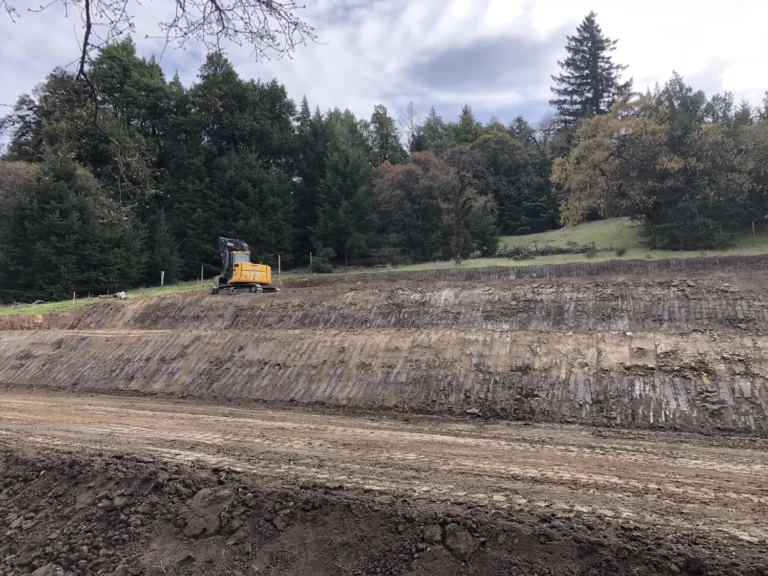
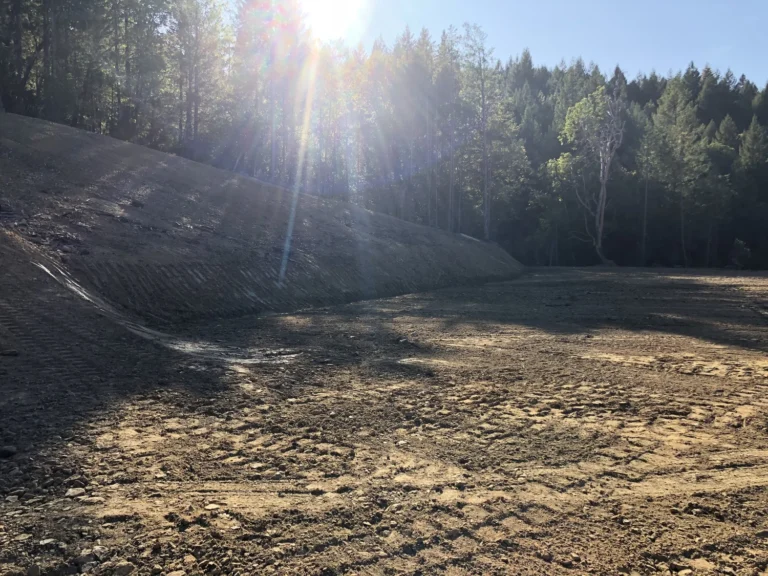
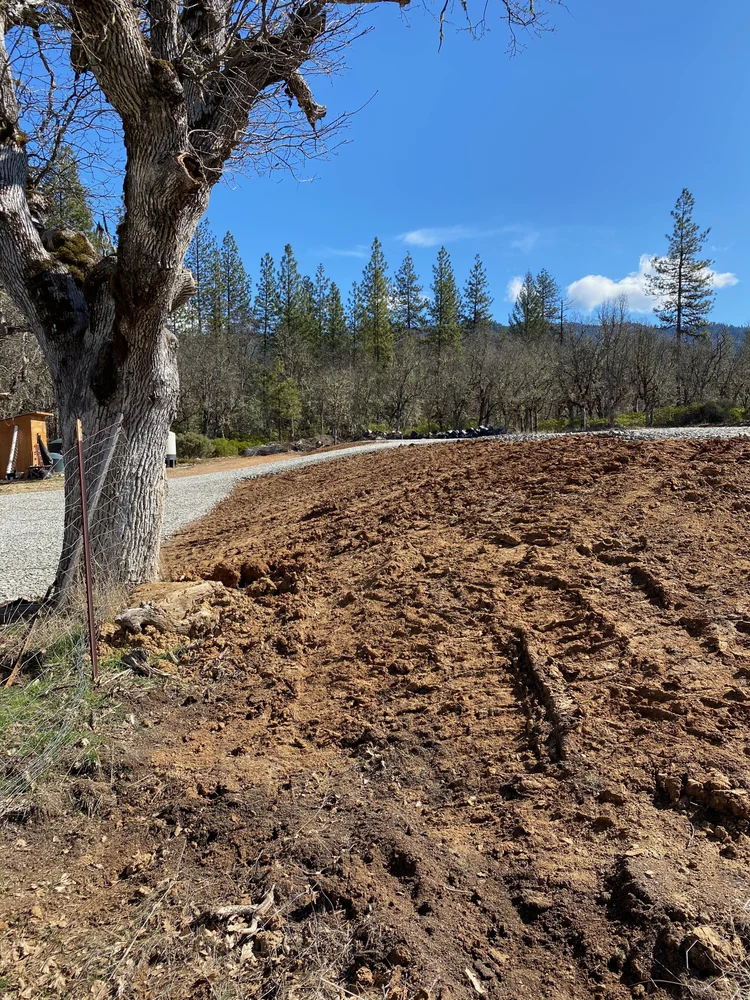
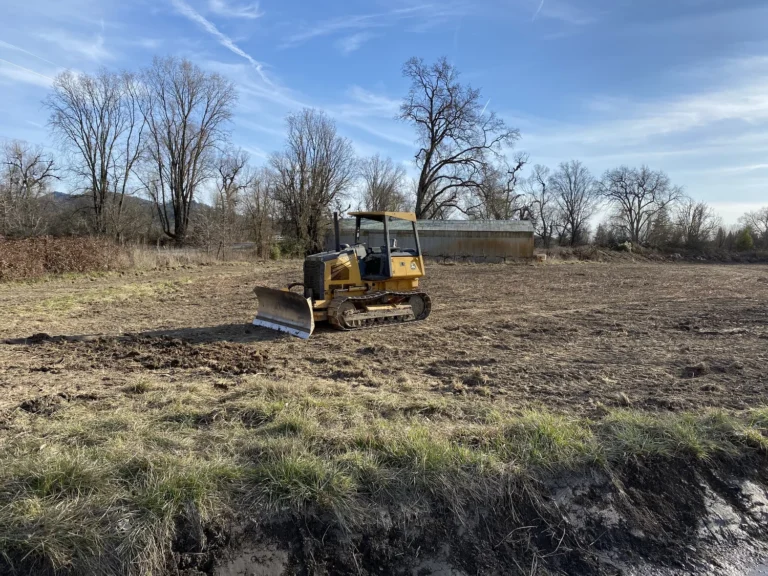
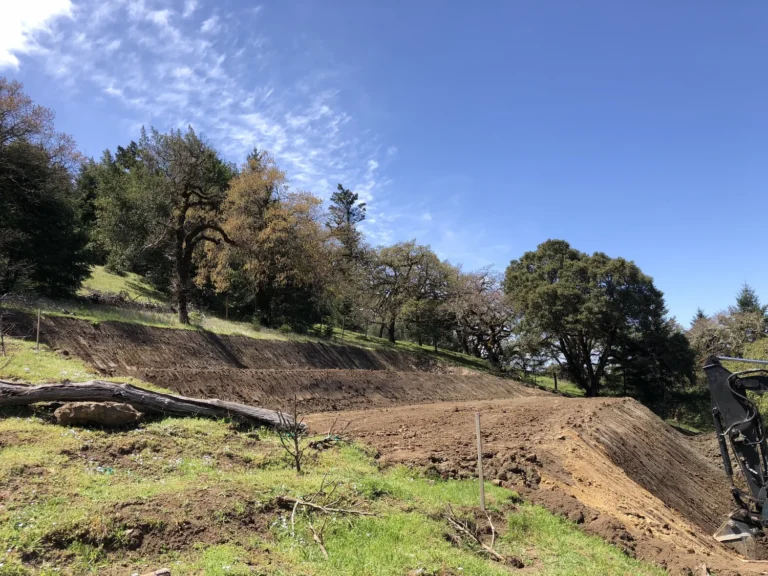
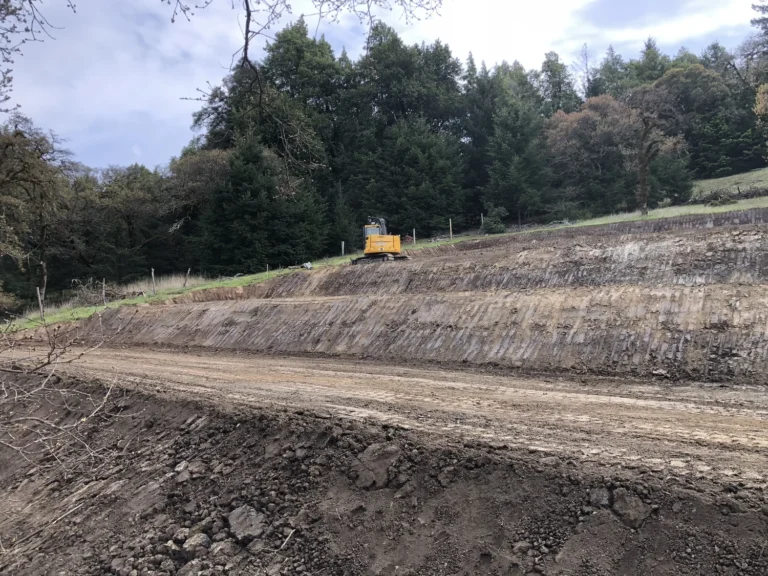
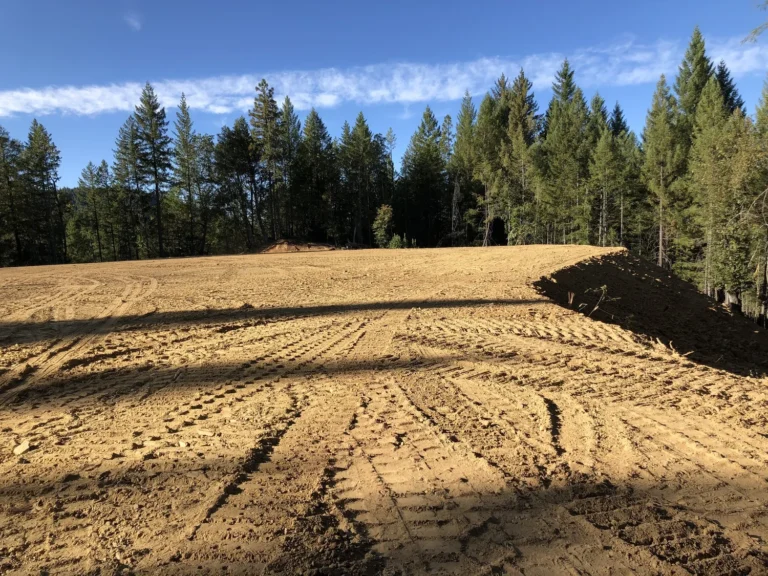
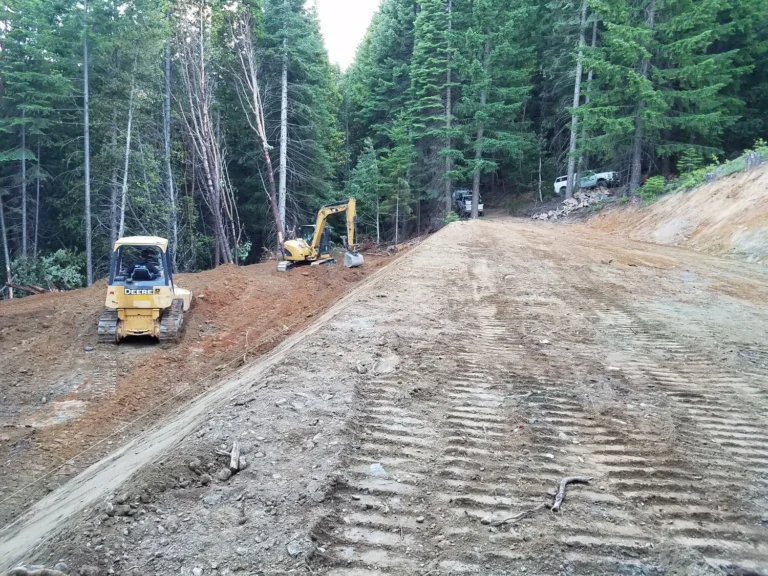
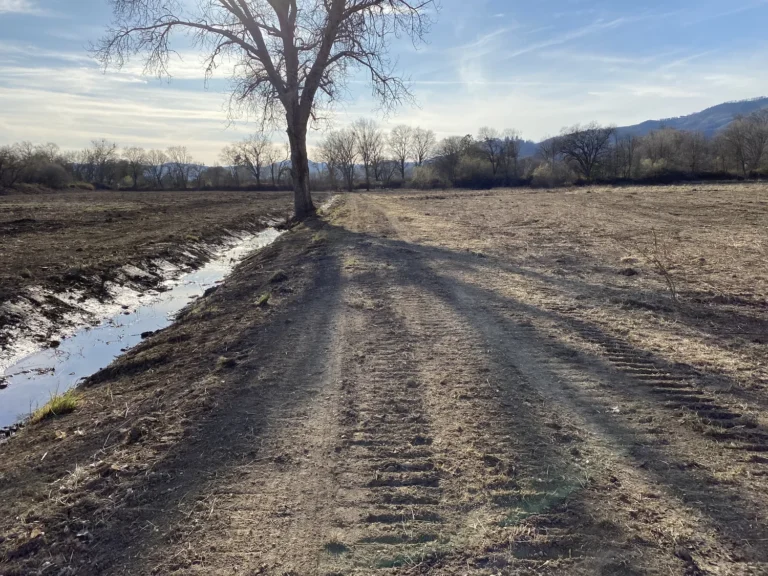
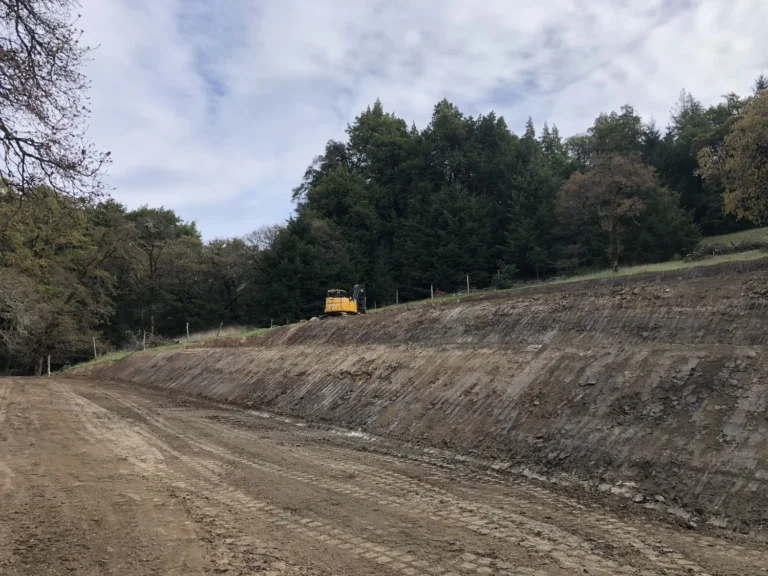
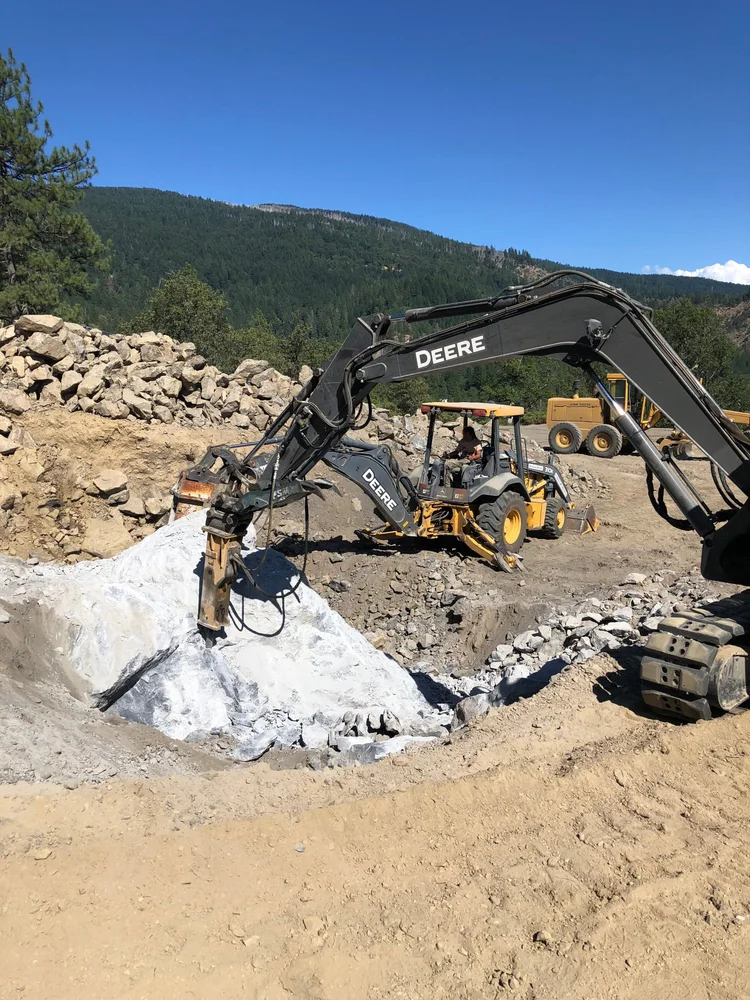
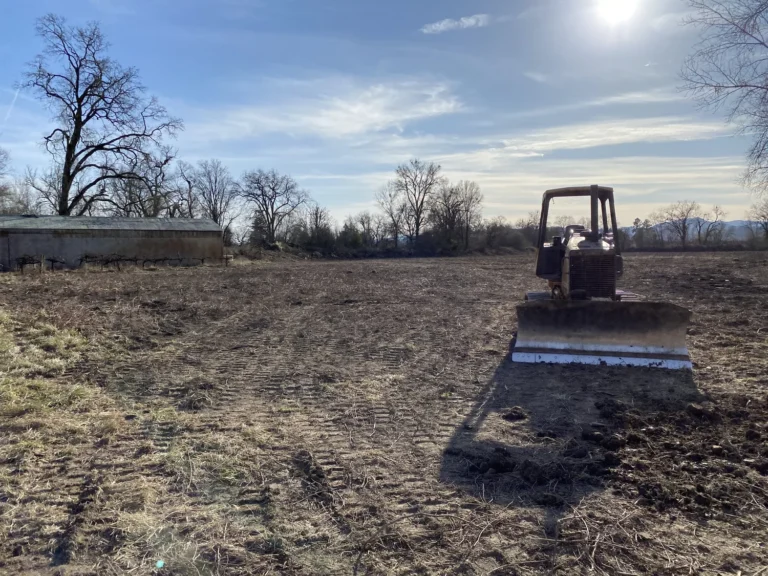
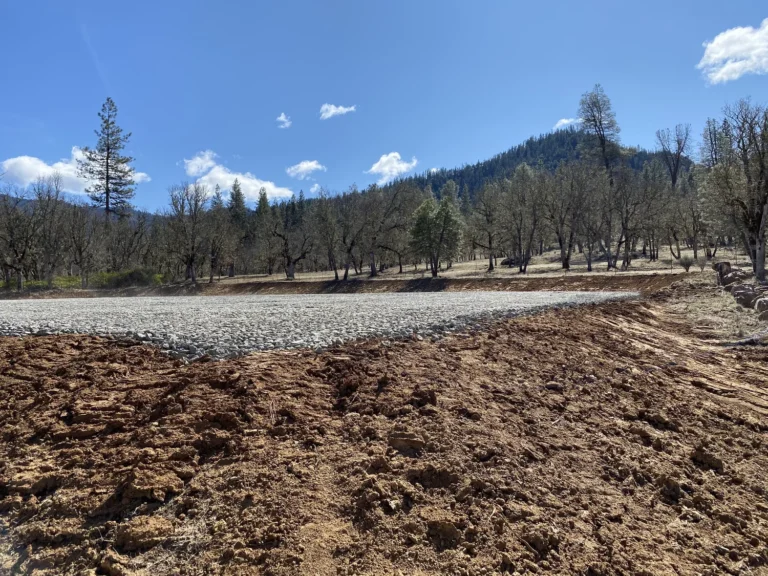
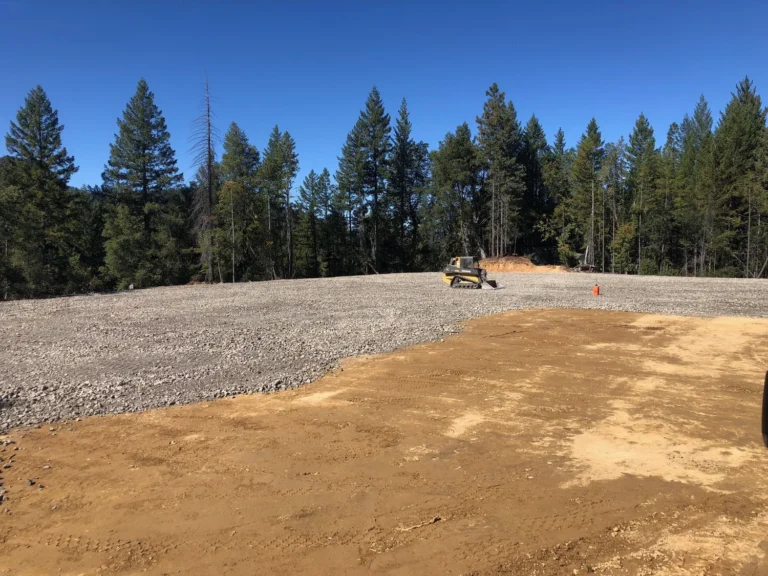
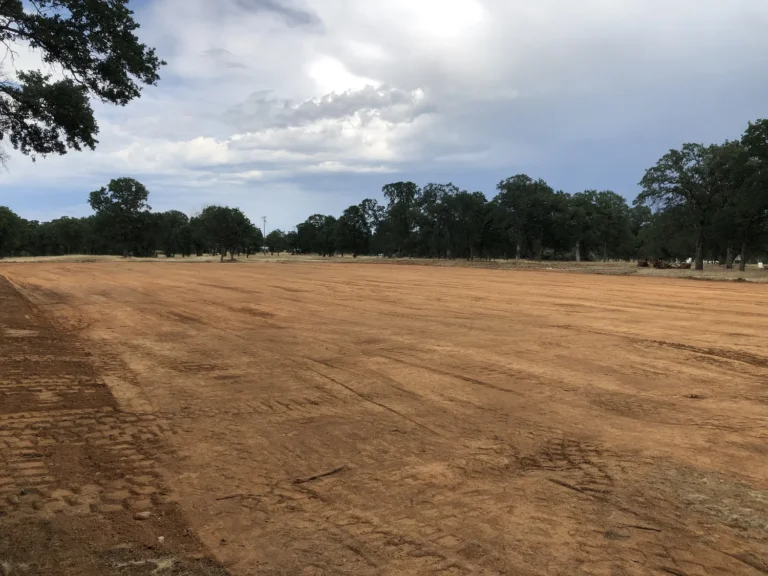
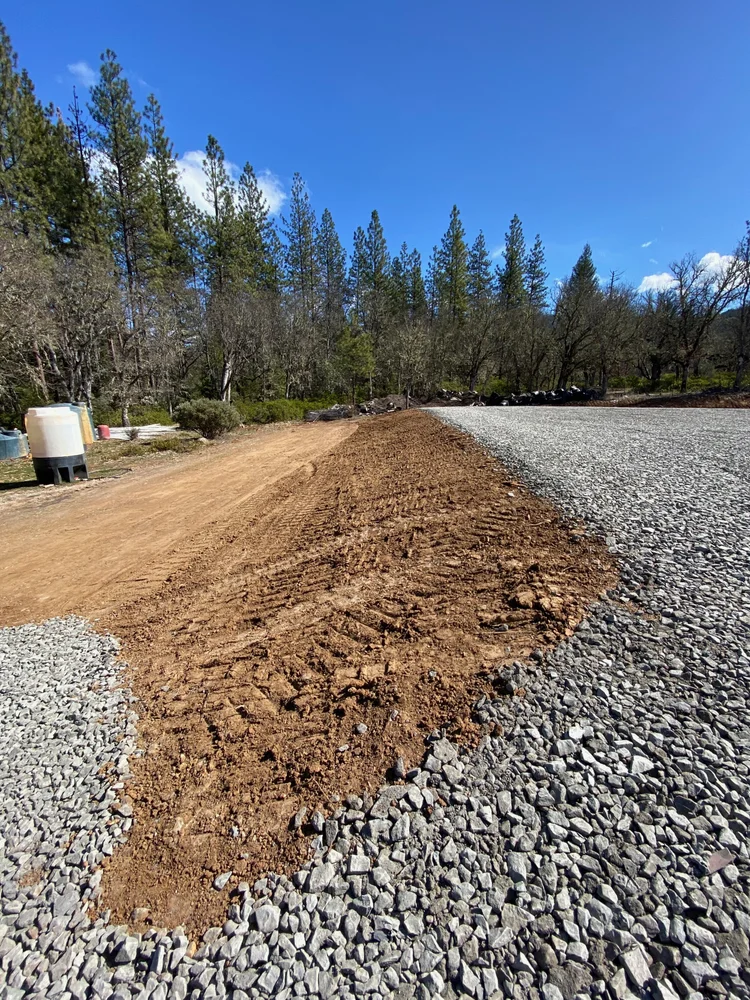
Land Development & Clearing Work
Common Questions
Land development and clearing projects raise a lot of practical questions before the first machine rolls on site. Here are the ones we hear most often.
Call Us DirectlyDo I need a grading permit before clearing my land? +
It depends on the volume of material being moved and your county. In Sonoma County, a grading permit is required for cuts or fills exceeding 50 cubic yards or more than 3 feet in depth. Monterey County's threshold is 100 cubic yards. Basic land clearing — removing vegetation without significantly altering the grade — may not trigger a permit, but if we're grading the site afterward, the permit requirement usually applies. We can review your project scope and tell you exactly what's needed before work begins.
How long does a typical land clearing project take? +
It depends heavily on the size of the parcel, the density of vegetation, and whether grading is part of the scope. A residential lot clearing — say, a half-acre with moderate brush and a few trees — typically takes one to two days. A larger agricultural parcel or a hillside lot with significant grading work could run a week or more. We'll give you a realistic timeline estimate during the site assessment, based on the actual conditions we see.
What happens to the brush and debris after clearing? +
We handle debris removal as part of the project. Depending on the material, we may chip and repurpose wood debris on-site as mulch, or haul it off for disposal. Stumps are ground down rather than pulled, which minimizes soil disturbance. We coordinate disposal so you're not left with a pile of material at the end of the job.
Can you clear land on a steep hillside or difficult terrain? +
Yes. We work on hillside parcels regularly, particularly in Sonoma County's wine country terrain and along Monterey's coastal slopes. Steep sites require careful equipment selection, erosion control planning, and often a different clearing sequence than a flat lot. We assess slope stability and soil conditions before we start, and we implement erosion control measures — silt fencing, wattles, or temporary seeding — as appropriate to protect the site during and after clearing.
What's the difference between land clearing and site preparation? +
Land clearing focuses on removing surface vegetation, trees, brush, and debris. Site preparation is broader — it includes clearing, but also grading the surface to the right elevation and slope, compacting the subgrade, establishing drainage patterns, and getting the ground to the condition your contractor or engineer requires before construction starts. Most development projects need both, and we handle the full sequence.
Do you use eco-friendly clearing methods? +
Where the project and site conditions allow, yes. We can scope clearing to preserve specific trees or vegetation, minimize topsoil disturbance, and repurpose woody material rather than sending it to landfill. In areas with sensitive habitat buffers — which come up in Monterey County coastal projects — we're experienced with the restrictions and can work within them. If you have specific environmental concerns or requirements, flag them when we discuss the project.
Does land clearing affect defensible space requirements in fire-prone areas? +
It can work in your favor. California's defensible space requirements — typically a 100-foot clearance zone around structures in high fire hazard areas — often overlap with land development goals. If you're clearing land in Sonoma County's designated fire hazard zones, the clearing work can be scoped to meet both construction prep needs and the CAL FIRE defensible space standards at the same time. We can walk you through the requirements as they apply to your specific parcel.
When is the best time of year to clear land in Sonoma or Monterey County? +
Late spring through early fall — roughly May through October — is generally the optimal window. Dry conditions make clearing and grading easier, equipment access is better, and freshly graded soil has time to settle and stabilize before the rainy season. That said, we work year-round. Winter projects are feasible but often require additional erosion control measures during and after clearing, and equipment access on saturated clay soils needs to be managed carefully to avoid compaction damage.
Do you handle utility locates before clearing? +
Utility locate requests (through California's Underground Service Alert — USA) are required before any excavation work, including clearing that involves stump removal or any subsurface work. We coordinate this as part of the pre-work process. Knowing what's underground before machines start moving is non-negotiable — hitting an unmarked line delays the project and creates safety risks.
How do I get a quote for land clearing or site preparation? +
Call us at (707) 601-9091 or use the contact form on this page to describe your project. We'll schedule a site visit to assess conditions, discuss scope, and give you an accurate estimate. Remote quoting based on photos or parcel maps is possible for a ballpark figure, but a site visit is always the best way to give you a number you can plan around.
Ready to Get Your Site
Cleared & Prepared?
From brush removal to final grade, DW Excavation handles the full land development process — licensed, experienced, and built for the terrain and regulations of Sonoma and Monterey counties. Call to schedule a site assessment or use the form to get started.
Sources
- Sonoma County Grading Permits — permitsonoma.org
- Monterey County Grading Permits — countyofmonterey.gov
- CAL FIRE Defensible Space — fire.ca.gov
- California Underground Service Alert (USA) — usanorth811.org
- Sonoma County Rainwater Harvesting Rebate Program — watrd.io